European livestock feed production remains largely stable, with poultry feed demand driving growth while pig feed faces declines. Continued disease pressure and regulatory changes are shaping sector trends in 2026.
Growing demand for animal protein from poultry continues to lift European feed production with markets forecasting a 1.2% growth this year.
At the same time, structural changes and ongoing disease pressures from African Swine Fever are having a detrimental effect on the pig feed sector, with markets set to decline by 1.3% in 2026.
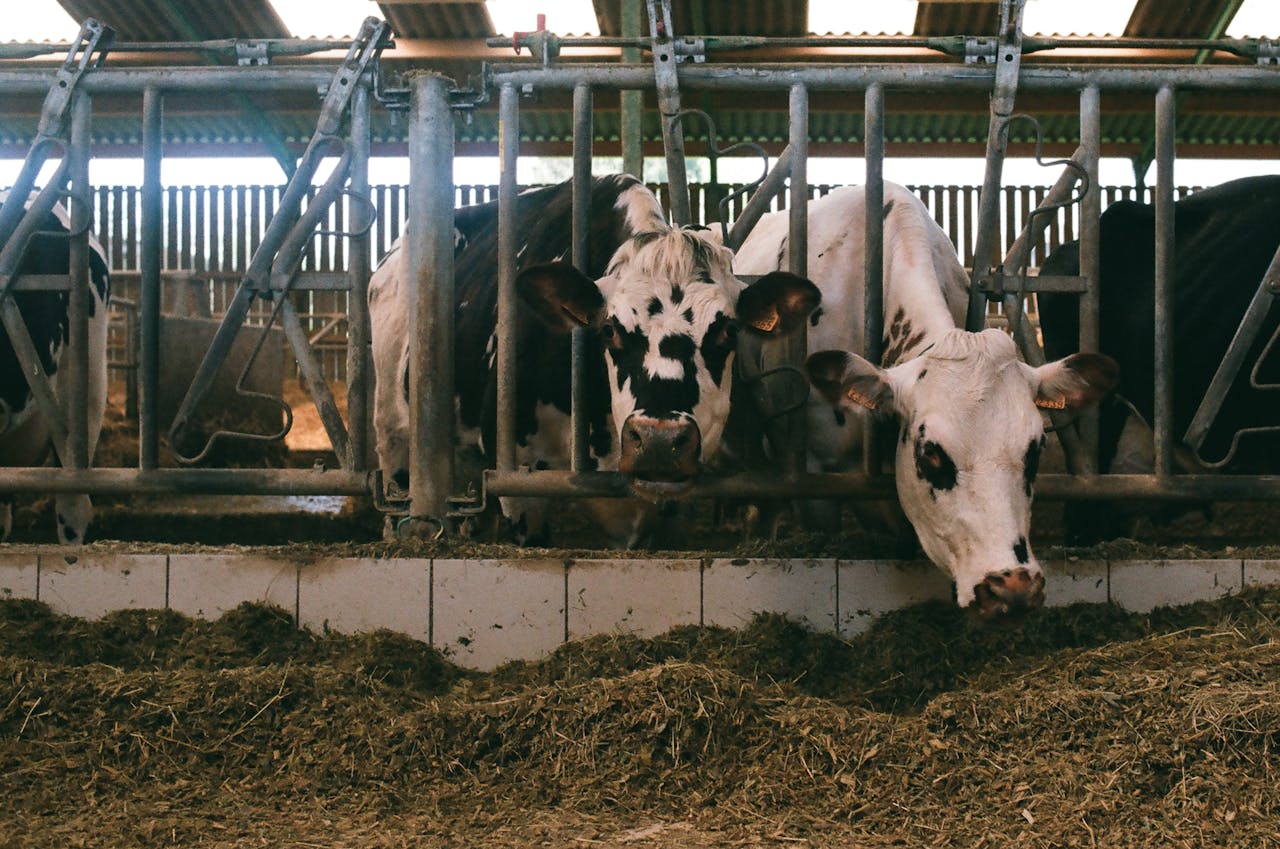
EU cattle feed production remains largely stable although slightly reduced feed levels are anticipated due to environmental policies and animal diseases.
Trade organisation FEFAC said the total industrial compound feed production in the EU27 is expected to reach 152m tonnes, marking a marginal decrease of 0.06% compared to 2025.
Volatility and regulatory pressures
FEFAC said the compound feed sector continued to demonstrate resilience amid ongoing economic and geopolitical upheavals, as well as increasing pressure from regulatory, environmental and animal health-related developments.
This year is characterised by growing market volatility, driven by the ongoing energy and fertiliser crisis amid regulatory uncertainties, such as the EU’s Deforestation Regulation.
Poultry feed powers growth
Despite the ongoing impact of avian influenza on flocks across Europe, the poultry feed sector is expected to grow by 1.2% to 51.6 million tonnes. Spain and Germany are projected to see increases of 2% and 3.8%, respectively.
Production in France is anticipated to rise by 1.5% to 8.25 million tonnes, while Poland is also expected to grow by 3% to 7.46 million tonnes. Austria will see a 3% increase, while other nations are forecast to remain stable or experience only slight growth.
Pig feed declines continue
Pig feed production is expected to decline by 1.3%, reaching 48.5 million tonnes. The Netherlands is forecast to experience the steepest drop, with production falling by 10% due to environmental regulations. Spain, the EU’s largest producer, is projected to see its feed market stabilise at 13.1 million tonnes, though this remains 1.5% lower than last year.
Germany and France are expected to see declines of 1%, while Ireland is projected to dip by 2.1%. However, expansion is forecast in some parts of the EU, with Czechia set to grow by 4.2%, Poland by 3%, and Hungary by 0.6%.
According to FEFAC, the overall picture is “one of stability,” with some countries experiencing growth—such as Bulgaria, up 5.8%—while others continue to decline, like Slovenia, down 12%.
Cattle feed remains stable
Among the major producing countries, France and Poland are expected to see an increase, while the Netherlands and Belgium are projected to see a significant decline of 5% and 2% due to environmental legislation and lower milk prices.
Spain, the largest cattle feed producer, expects to see an increase of 2%, while Denmark, Portugal and Germany are forecast to be stable or see a marginal increase.