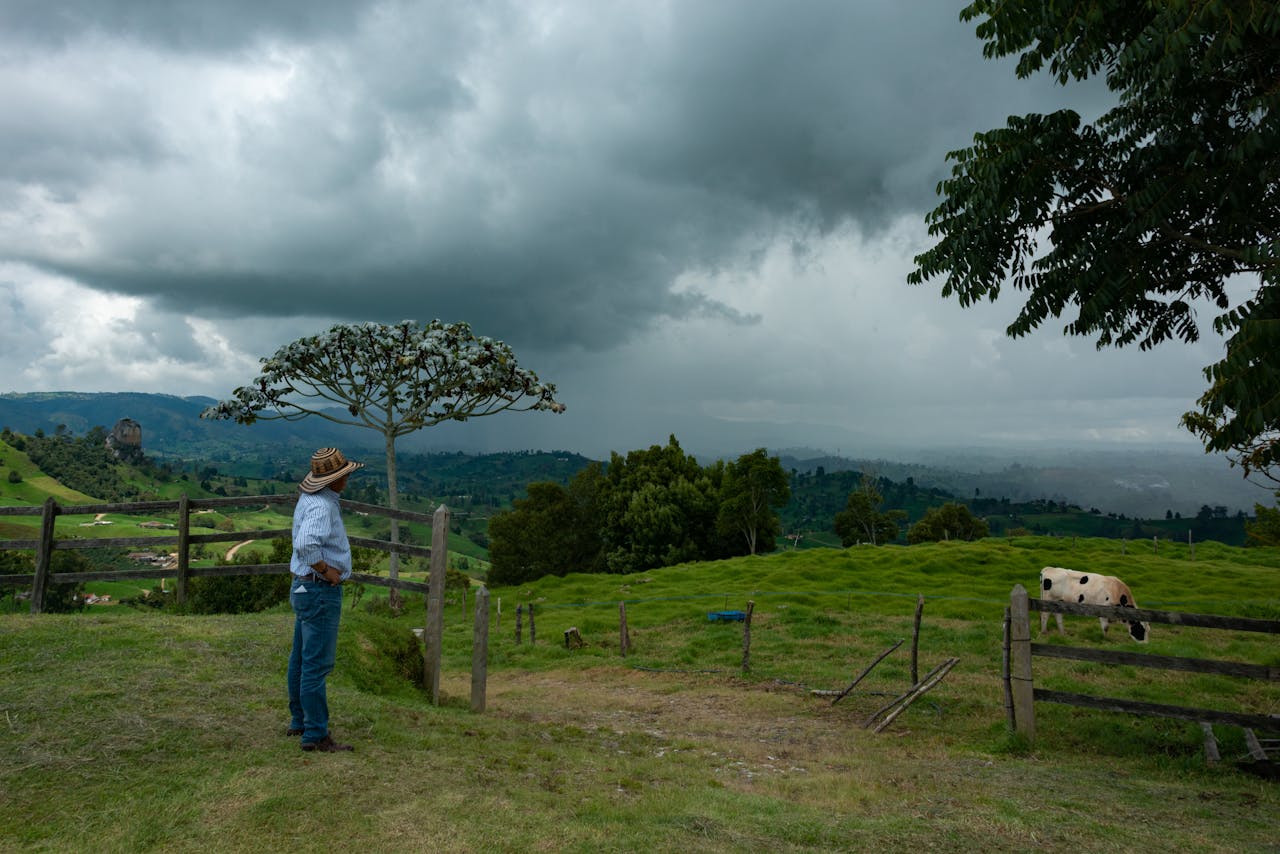
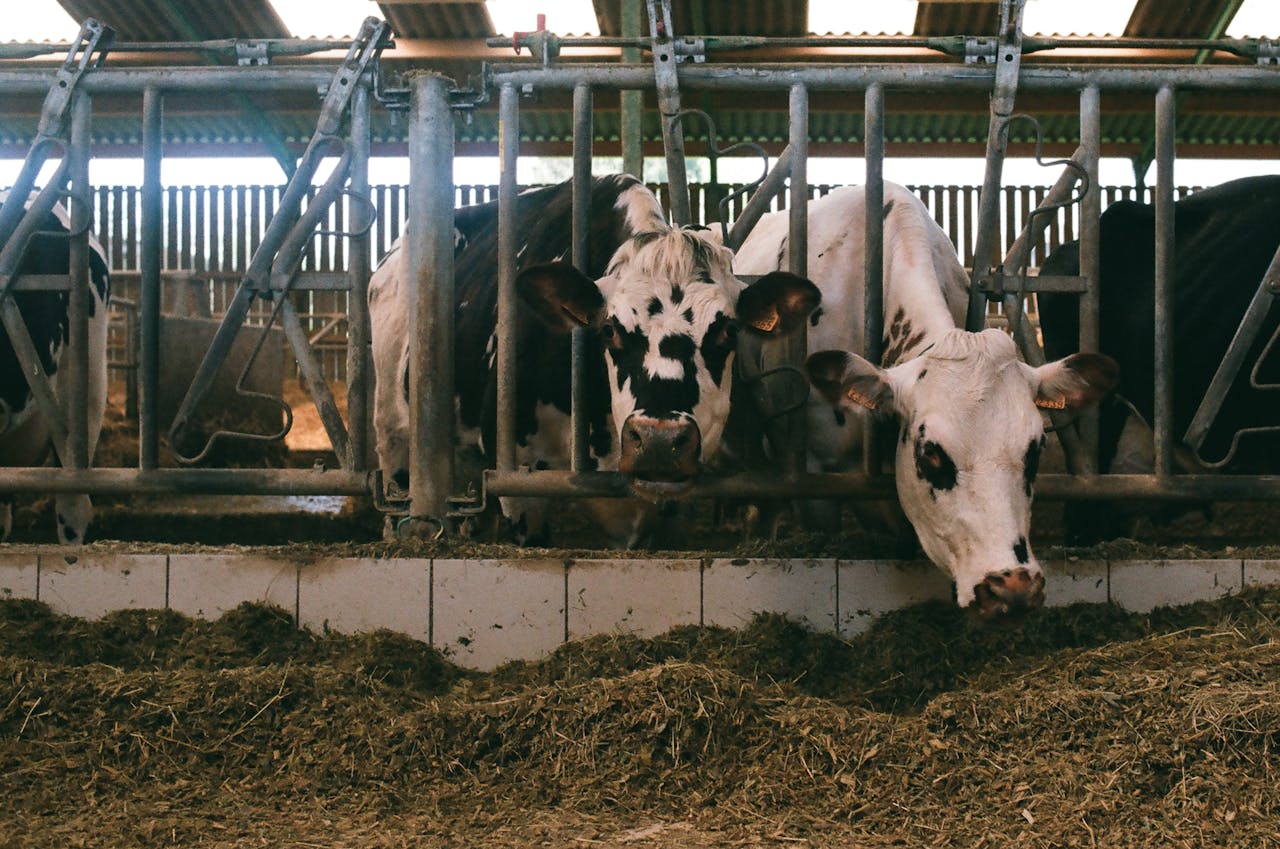
New research warns UK livestock feed supplies are at risk from climate change impacts in Brazil. Climate extremes threaten vital soy imports, increasing uncertainty for British meat and poultry producers.
Reliance on Brazilian soy feed
New research has highlighted the vulnerability of UK livestock feed and food supplies from Brazil due to climate change.
With the UN Climate Summit, COP 30, coming to an inauspicious conclusion the weekend of November 22nd, analysis has shown that soy feed to UK livestock and household staples such as chicken, beef, coffee and orange juice are particularly vulnerable.
Beyond the wealthier, developed nations of Europe and North America, Brazil is one of the UK’s leading food suppliers. It sent around 1.4bn kgs of 1.4m tonnes of food worth nearly £1.2bn last year.
Brazil tops the list of countries for which the UK imports food with the lowest levels of resilience to worsening climate change impacts.
The UK is most heavily reliant on Brazil for soy, which underpins intensive livestock production. Last year, the UK imported £243m of Brazilian soy – around 60% of total soy imports.
Around 90% of imported soy is used for animal feed, mainly British poultry, as soymeal is the main protein source in intensive feed systems.
Extreme weather disrupts soy production
But extreme weather has increasingly disrupted soy production in Brazil. Droughts and heatwaves have affected the Amazon, Cerrado and southern grain belts, with record-low river levels in 2024/5, delaying exports. The 2023 Amazon drought was found to be around 30 times more likely because of human-induced climate change.
Deforestation threatens feed supply
Deforestation and climate change are leading to less rainfall, undermining natural cooling systems and damaging agricultural productivity, says the report. Climate change is projected to reduce soy yields by roughly 6% for every 1°C of warming.
Risks to UK livestock industry
The UK also imports around 13% of its total poultry meat imports from Brazil as well as between 5-10% of its beef imports.
British families are paying the price in supermarkets for climate extremes, both in the UK and abroad… UK leadership at climate summits is important as ultimately collectively we need to hit net zero emissions given it is the only way to bring balance back to our climate and stop climate change
Need for climate adaptation
The research, by the Energy and Climate Intelligence Unit (ECIU) also shows that Brazil is the UK’s largest supplier of coffee, typically providing 30–35% of the UK’s unroasted beans, worth around £225m in 2024. But hot and dry conditions, linked to El Niño, reduced expected yields for the 2023/24 harvest, driving up prices that peaked in March.
Gareth Redmond-King, ECIU international programme lead, said British families were paying the price in supermarkets for climate extremes, both in the UK and abroad. This year saw the UK’s second worst harvest on record, with an average of just 7 tonnes per hectare for wheat, 6.5 tonnes per hectare for winter barley and 5 tonnes per hectare for spring barley, according to Defra figures released last month (October).
“We depend on Brazil for coffee, sugar, oranges and tropical fruits—as well as a lot of soy to feed livestock grown in the UK. In addition to the threat from climate change, vast swathes of rainforest and other biomes have been cleared to grow some of these foods: this deforestation is itself a key driver of the climate change affecting the ability to produce these foods.
“UK leadership at climate summits is important as ultimately collectively we need to hit net zero emissions given it is the only way to bring balance back to our climate and stop climate change.
“British climate finance helps support farmers in Brazil and other countries from whom we import food, to enable them to adapt and protect their livelihoods, and our food supplies,” he added.