Turkey’s feed industry kept production largely stable in 2025, but rising debt, climate shocks and geopolitical risks are squeezing margins and threatening long-term sustainability.
According to Ömer Fethi Gürer, member of the Turkish Grand National Assembly’s Agriculture Committee, 2025 was a “dark year” for Turkish farmers and breeders, and their suppliers. Businesses face a plethora of challenges stemming from rising livestock imports and climate change, but above all, the industry is impacted by the unravelling debt crisis. “Farmers alone owe TRL 1.12 trillion (US$26 billion) to banks,” Gürer said, adding that companies have been trying to push through the debt crisis during the last year, but many ended up in bankruptcy. “Closures have become broader over the last year. Lands, tractors, and animals were seized from producers and livestock breeders.” The key problem is that agricultural producers saw their profits dwindle last year and, unless Turkey changes its agricultural policy, 2026 will be even more challenging, Gürer warned.
Industry faces economic challenges
The feed industry is dealing with the problems plaguing Turkey’s entire agricultural sector, according to Ülkü Karakuş, President of the Turkish Feed Manufacturers Association. “The feed industry went through a difficult year from an economic point of view,” Karakuş admitted, pointing to a drought and a rise in raw material costs as the key factors affecting Turkey’s feed mills in 2025.
Feed production holds steady
With 29.3 million tonnes of feed manufactured in 2024, Turkey ranked as Europe’s largest and the world’s seventh largest feed producer. In 2025, the output is expected to have been the same or slightly higher. The outlook for next year is not particularly bright, as some key livestock industry segments could experience negative performance dynamics.
2025 was a year in which producers did not profit, consumers struggled to access food due to high prices, and only intermediaries and importers profited.”
— Ömer Fethi Gürer, member of the Turkish Grand National Assembly’s Agriculture Committee
Livestock trends impact feed demand
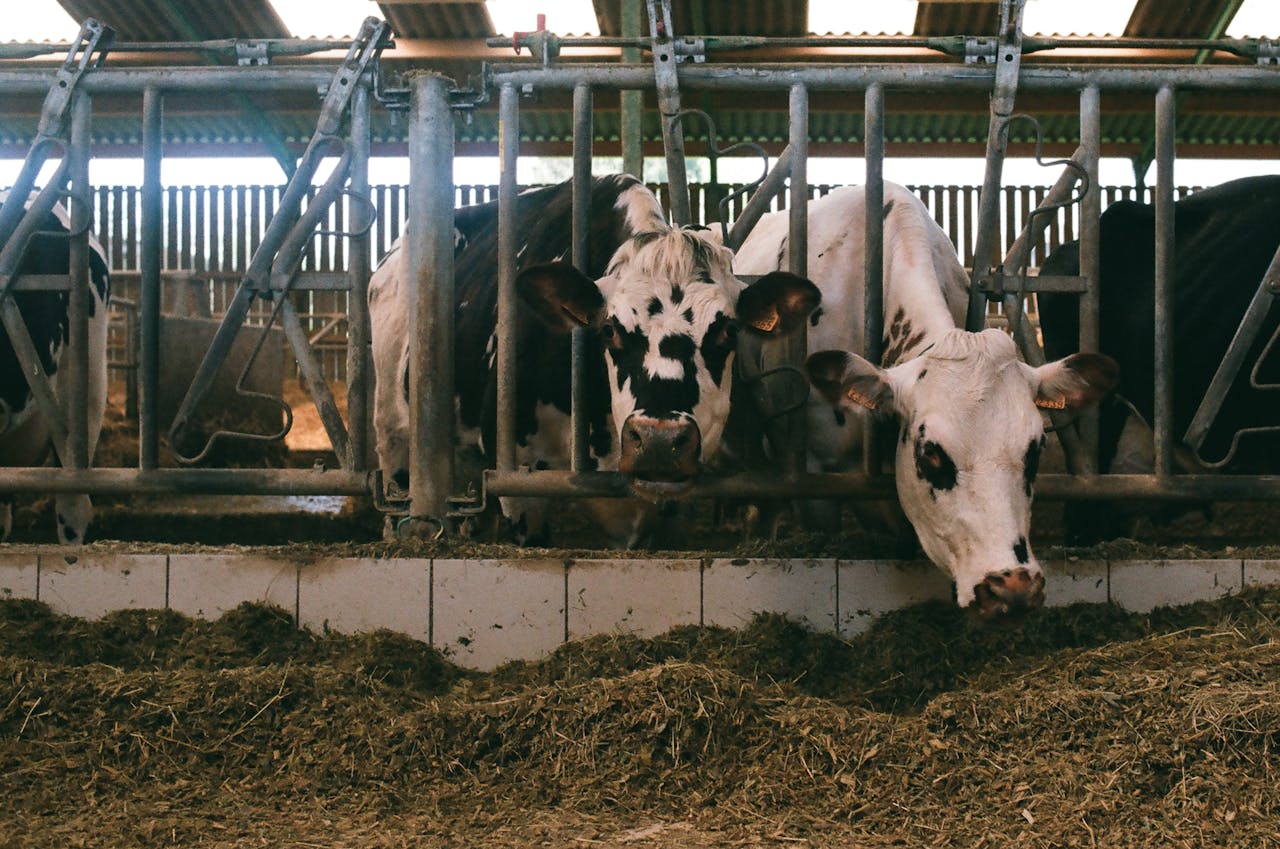
According to the FAS USDA, Turkey’s cattle inventory is projected to fall by 4% to 14.3 million head in 2026. This decline is primarily attributed to high slaughter trends, high production costs, and low profitability, prompting farmers to liquidate their herds. Beef production in 2026 is forecast to increase slightly to 1.8 million metric tons (MMT) as farmers continue to liquidate their herds amid expected high input and production costs. Cattle and small ruminant feeds often account for over half of Turkey’s total mixed feed output, outpacing poultry feed.
The drought of the century
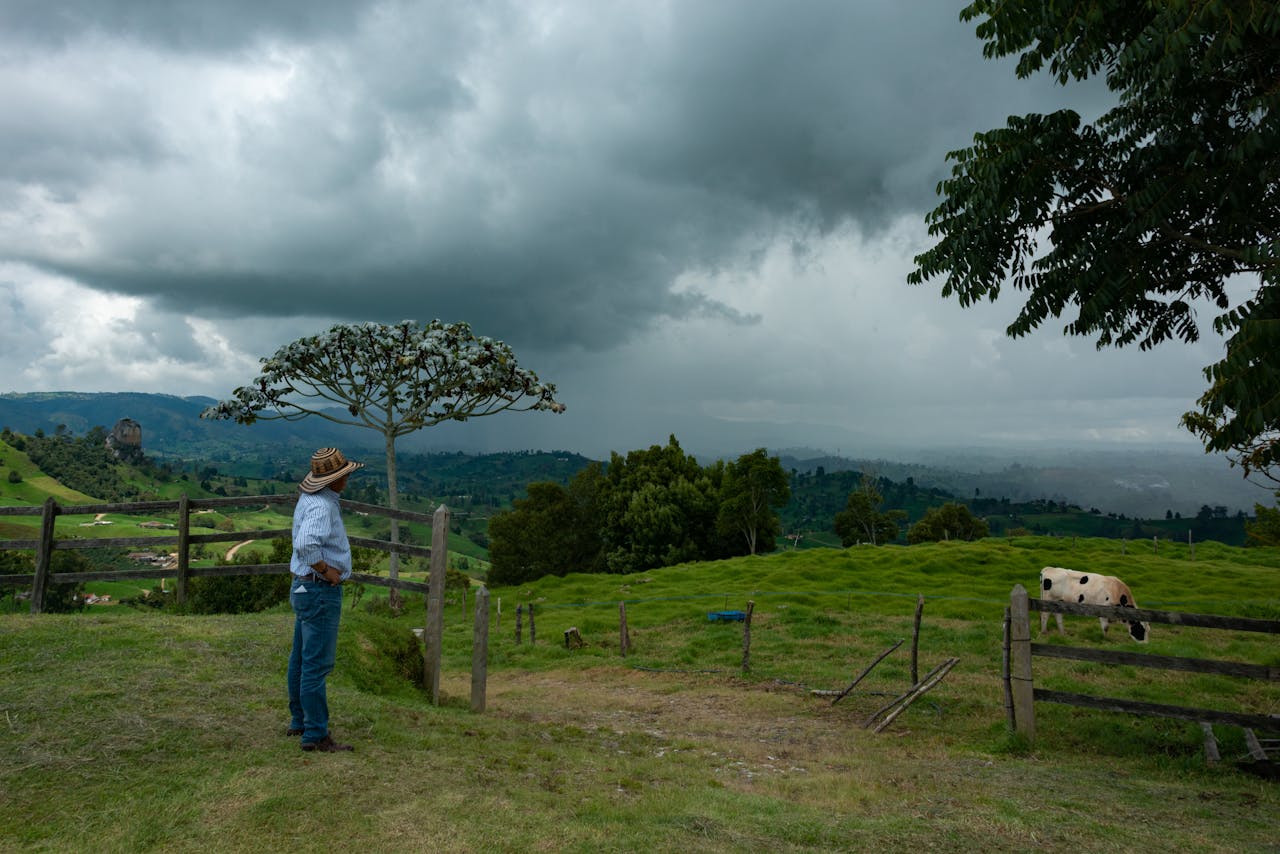
One of the key factors hampering the industry’s performance was the worst drought in 50 years that hit Turkey last year. According to the Turkish State Meteorological Service, during the most critical months, rainfall dropped by nearly 27% compared to the previous three decades, and by even more in some regions. Water shortages paired with abnormally high temperatures made for a hellish summer in Turkey. In particular, July was the hottest month in 55 years.
Grain supply chain distrupted
Due to weather abnormalities, Turkey’s wheat and barley harvests declined significantly, prompting a sharp increase in grain imports for the 2025/2026 season, with wheat imports forecast to exceed 10 million tonnes and barley imports also rising sharply. Compared with 2023, Turkey’s grain production fell by 7.4 million tonnes in 2025, to 34.2 million tonnes. As the drought lowered grain yields, it has severely affected the feed industry’s supply chain, driving up prices, Karakuş said. In 2025, grain production in Turkey was hit by various weather challenges, as a severe drought was preceded by April frosts and followed by massive floods in some parts of the country, said Cenk Özdemir, Head of the Farmers’ Bureau of the Patriotic Party.
Livestock and dairy under pressure
However, the feed industry is not only directly affected by the drought. Adverse weather conditions also tend to hurt the livestock industry, including the dairy sector, which is a key driver of the feed industry’s growth. What’s more, the unfavourable veterinary situation has also hurt Turkey’s livestock industry. “Foot-and-mouth disease, which caused huge yield losses in livestock farming, literally broke the backs of our producers [last year],” Özdemir admitted. Turkey experienced significant Foot-and-Mouth Disease outbreaks last year, primarily driven by the new SAT1 serotype, leading to nationwide livestock market closures in July and intensified vaccination campaigns to control the spread.
Frequent droughts require action
A particularly challenging trend is that droughts have been more frequent over the last couple of decades. For example, the devastating 2023 drought significantly affected livestock and feed production. As the temperature rises, Özdemir said, Turkey needs to take steps to battle worsening water scarcity. This would require building water-conserving infrastructure and constructing new dams and irrigation systems in the most affected regions. This will require a significant amount of money, but the investment promises to pay off gradually.
Economic uncertainty hits agriculture
The crisis has driven economic uncertainty in Turkey to unprecedented heights, Gürer said. Rising food inflation has led consumers to see their purchasing power substantially diminish. “2025 was a year in which producers did not profit, consumers struggled to access food due to high prices, and only intermediaries and importers profited,” Gürer said.
Trade system inflates prices
Farmers also blame the existing trade system for their problems, as livestock products can rise in price by 300% between leaving the farm and reaching grocery shelves. Amid the challenges, observers believe certain actions are needed to prevent problems from worsening. For example, Gürer noted that farmers should be encouraged to rely more on pastures, while the government should consider subsidising feed prices.
Call for feed market reform
Feed manufacturers, in turn, advocate lowering the state control over the grain market. “Grain markets are largely run by the state, while we need a sustainable market structure where the private sector is more effective, and farmers can also earn a profit. The economic approaches implemented in the post-pandemic period should now be abandoned. Reactivating the free -market economy is vital for the sector,” Karakuş said.
Livestock imports app pressure
Turkey tightened its grip on the grain market during the COVID-19 pandemic to ensure domestic market stability during the most turbulent times for global trade. Although the pandemic is long gone, the new economic policy remains in place. In addition, farmers and policymakers question the existing Turkish tariff policy. During the first ten months of 2025, over 585,000 head of livestock were imported to the country, Gürer said, adding that this import flow puts pressure on local businesses.
Global trade uncertainty
In addition, looming security concerns and persistent geopolitical uncertainty are putting pressure on Turkey’s feed industry. The continuation of economic and political uncertainties worldwide negatively affects Turkey’s potential for animal product exports, Karakuş said. “In particular, the lack of any sign of an end to the Russia-Ukraine war continues to put pressure on trade routes in the Black Sea. This situation increases logistics costs and keeps the risks of the feed raw material trade on the agenda,” Karakuş added.
Black Sea trade rountes threatened
Moreover, in recent months, hostilities in the Black Sea escalated. In early December, Ukraine said it had carried out a sea drone attack on a ship carrying Russian oil in the Black Sea. A few days later, Ukrainian officials accused Russian forces of attacking two Ukrainian ports, damaging three Turkish-owned vessels, including a ship carrying food supplies. A day later, Ukraine blamed Russia for striking a Turkish vessel transporting sunflower oil in the Black Sea.
Supply chain risks mount
The Black Sea plays a key role in Turkey’s feed industry stability. Turkey primarily imports wheat and other grains, such as maize and barley, from the Black Sea region, with Russia and Ukraine being the dominant suppliers of wheat, alongside significant shipments from Kazakhstan and Moldova. Maize often comes from Ukraine and Russia, while sources of barley include Russia, Bulgaria and Ukraine.
Turkey’s feed manufacturers fear that significant disruption to Black Sea shipping could have catastrophic consequences for feedstuff availability in the country. According to various reports, the conflict is already taking a toll on regional trade, as Black Sea tanker attacks are pushing war risk premiums higher for shippers. Fears of the conflict escalating to the Black Sea, which have loomed since the start of the land fighting in Ukraine, seem to be materialising, with the coming months likely to be decisive for the extent to which shipping will be affected.
Outlook remains highly uncertain
Climate risks and unfavourable macroeconomic conditions are expected to continue dominating the agenda for Turkey’s feed manufacturers in 2026. Taken together, debt pressure, climate volatility and geopolitical uncertainty are pushing Turkey’s feed industry into a period of heightened vulnerability. Without policy adjustments on grain markets, credit access and risk management, feed manufacturers and livestock producers alike may face a deeper contraction in the years ahead.