Backyard farming in Moldova is rapidly dying out due to a combination of rising feed costs, drought, and low farmgate prices, as reported by local news outlet Bloknot Moldova.
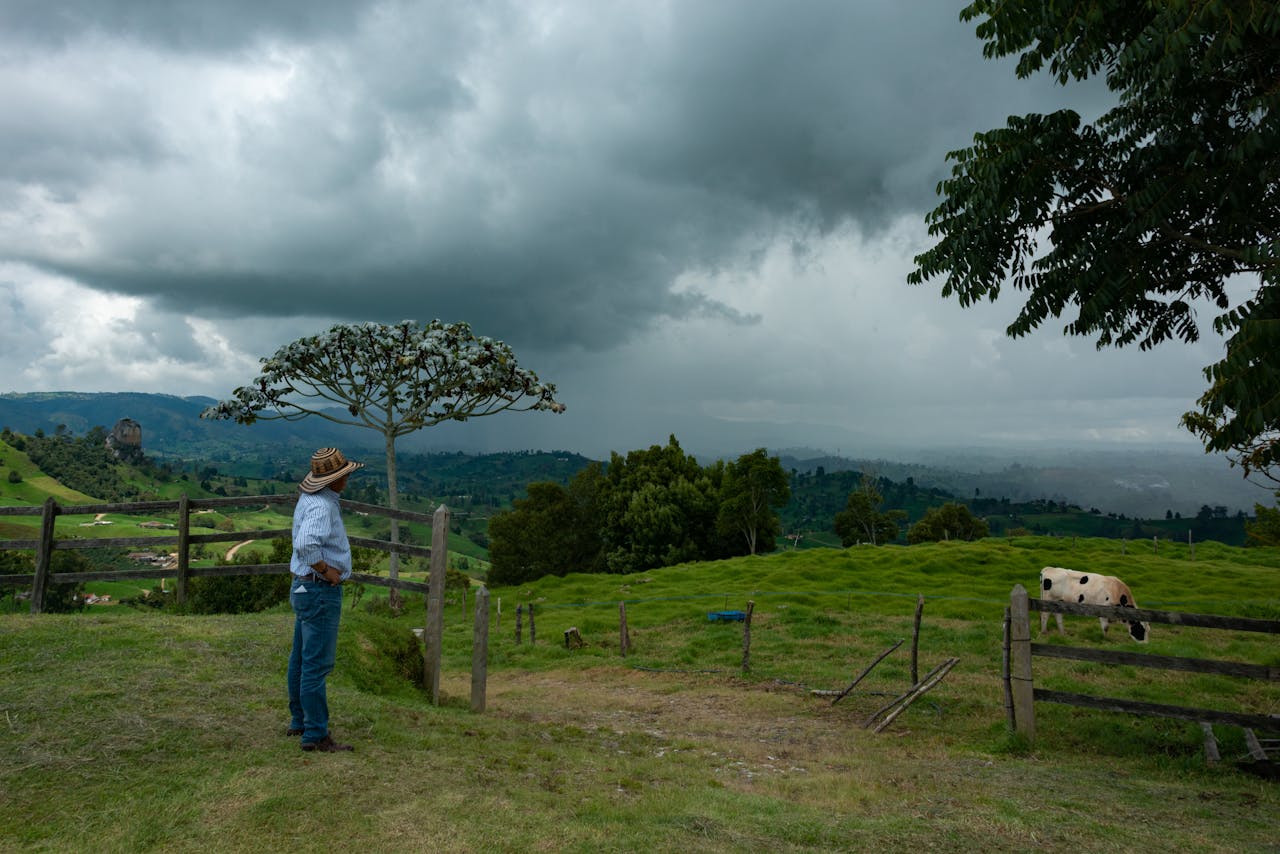
The number of cattle in Moldovan backyard farms plummeted by 95% over the past year to only 70,000 heads, the publication said, citing official statistical data. Barns across the country stand empty, and private milk production is becoming increasingly rare.
Farmers primarily quit due to rising feed costs. In addition, keeping livestock remains a physically demanding business for aging farmers.
“Mineral water is more expensive than milk now. And to manufacture milk, you have to mow, feed, water, and clean. It’s a day-long job,” a local farmer said, as quoted by the publication.
Burnt pastures
The crisis has been further fuelled by extreme drought and heat that have persisted over the last several years.
Due to burnt pastures, farmers are increasingly relying on compound feed, which undermines business profitability.
Vyacheslav Syvak, mayor of Alava, a rural town in the central part of the country, admitted that backyard farming has practically disappeared.
“Two years ago, there were 20 cows in the village; today, only one remains,” he added.
According to Bloknot Moldova, this trend is occurring nationwide, with backyard farms rapidly disposing of their livestock.
Last year, a temporary boost was provided through an FAO programme that supplied about 400 kilograms of compound feed to backyard farms, but this support only temporarily alleviated the crisis and failed to halt the massive decline in livestock numbers.
Industrial farms expanding
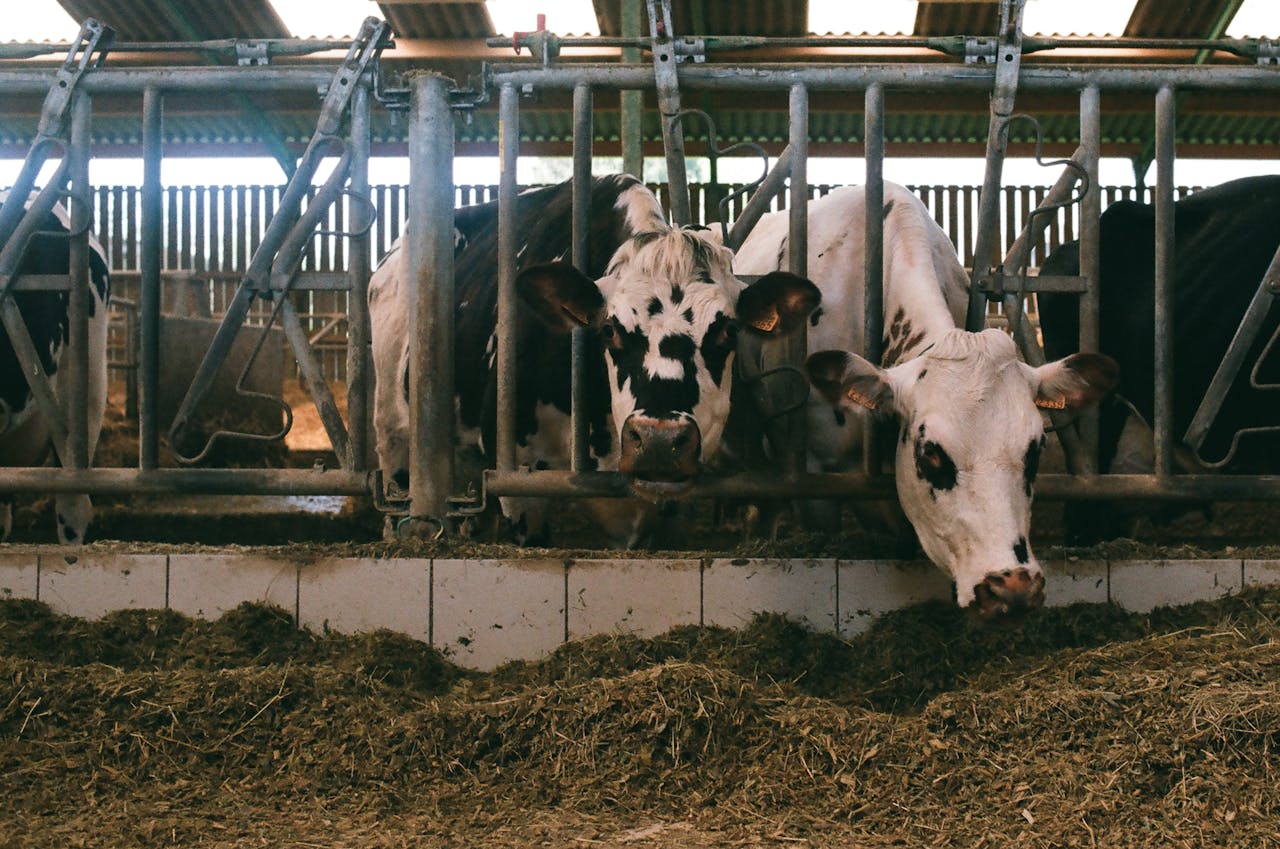
Meanwhile, industrial farms are quickly stepping in to fill the void. In the past year, they experienced a 5% increase in their livestock numbers, largely due to substantial government subsidies.
“We produce 130-150 litres of milk per day. If the business wasn’t profitable, I wouldn’t be doing it. Now we receive a subsidy of MDL 3 ($0.18) per litre,” Sergei Filipov, an owner of an industrial farm in the village of Lazo, commented.
State aid matters
According to Ludmila Catlabuga, Moldova’s Agricultural Minister in 2025, the support fund set a record, exceeding MDL 1.9 billion ($114 million), while farmer investments reached more than MDL 7 billion ($421 million). Drought, which this year severely affected the southern regions of the country, was the key factor driving a rise in state subsidies.
However, the government’s long-term target is to move away from heavily subsidising agricultural business.
Farmers now consider subsidies a component of their business plans. We hope that in a few years, subsidies will no longer be mandatory but will help launch startups, Catlabuga added.