Ukraine’s largest poultry producer, MHP, is backing a major move into alternative proteins, aiming to produce 100 tonnes of insect protein and process up to 100,000 tonnes of food waste annually by 2030 as part of its sustainable development strategy.
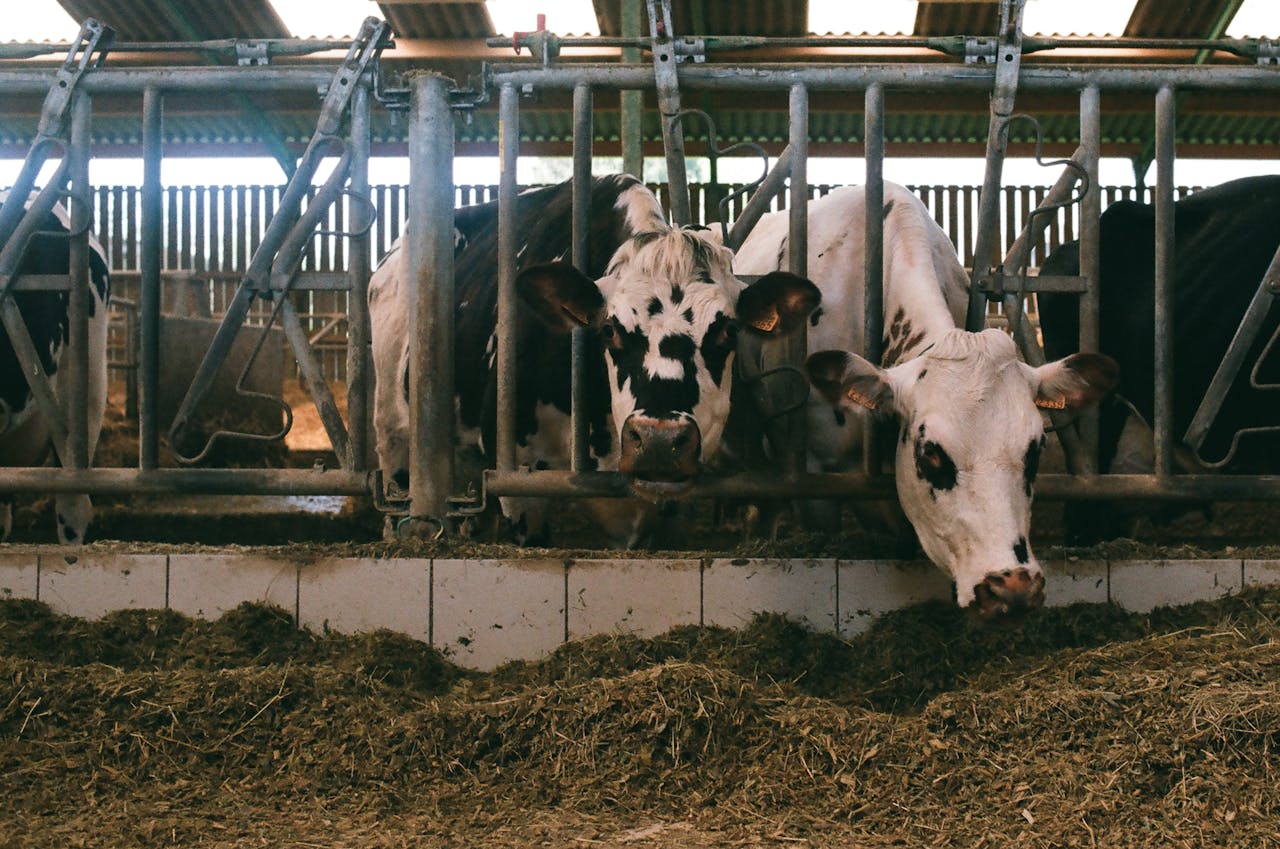
The company’s pilot insect protein facility is set to launch at the end of the first quarter of 2026, according to Serhiy Melnychuk, adviser to the Chairman of MHP’s Board on scientific affairs. In the initial phase, MHP will focus on testing and refining the technology rather than industrial-scale output. The insect protein is slated for use in livestock and pet food, with potential applications in aquafeed manufacturing in the longer term.
“Biotechnology is a demanding field, and the only way to make it work is through deep expertise and knowledge,” – Serhiy Melnychuk, adviser to the Chairman of MHP’s Board on scientific affairs.
Food waste processing initiative
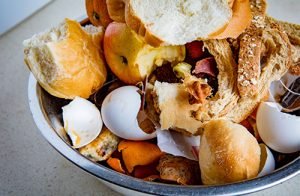
Additionally, the company intends to process food waste collected across Ukraine into feed ingredients. To achieve this, MHP plans to establish a central hub for rapid reprocessing, develop a network of regional collection centres, and implement a digital platform to track waste flows.
International partnerships and capacity goals
As part of the initiative, MHP expects to conclude more than five contracts with international partners, including Nestlé, Danone, and McDonald’s. By 2030, the company projects its annual food and organic waste processing capacity to reach 100,000 tonnes.
Industry developments: Feednova’s expansion
Ukraine has already seen efforts to recycle food waste into animal feed. In October 2025, EFI Group and partners began construction of the Feednova Center plant in the Cherkasy region, set to produce high-protein feed additives and animal fats. This new facility will be the second under the Feednova brand, following the launch of the first in Lviv in 2021.
European market in focus
MHP is not only Ukraine’s largest poultry producer, but also its leading exporter, with Europe as a key market. Some analysts suggest sustainability-driven products could target European buyers. According to consultancy InVenture, Europe actively supports such initiatives through the Green Deal and circular economy programmes. The average price of insect protein in Europe ranges between €2,000 and €4,000 per tonne, depending on quality and segment. An export focus remains common for new agricultural projects in Ukraine: more than 80% of Feednova’s output is shipped to EU countries.