Growth in the poultry feed market offset a predicted decline in the EU pig feed sector last year, set against a year of general stability in the compound feed production market.
Latest analysis by trade organisation FEFAC predicts the total industrial compound feed production across the EU27 to reach 147.5 million tonnes, a slight increase of 0.4% compared to 2024.
FEFAC said the marginal change reflected stability across most animal production sectors, despite increasing market uncertainty and varied national market trends.
Poultry feed: Largest growth
Poultry saw the largest growth despite ongoing pressure from avian influenza, with production for last year predicted to rise by 1.5% to 50.65m tonnes.
Spain and Belgium are likely to have seen the largest percentage rises of 5.8% and 5% respectively, while production in France is growing by 1% to 8.14m tonnes and Poland by 2.3% to 7.44m tonnes.
Pig feed: Stable but decline seen
Pig feed production in the EU for 2025 has also been relatively stable, although it declined by 0.5% compared to 2024. An estimated 47.3m tonnes was produced, masking some changes across the continent, due to structural changes and ongoing disease pressure from African Swine Fever.
Among the countries to show production declines were
- Germany (-1.9%),
- France (-1.6%),
- Hungary (-3.2%) and
- the Netherlands, where there is an estimated 10% fall. Pig production in the country last year fell under the 10m mark for the first time in 45 years.
Other nations fared better with rises:
- Portugal (+1.8%),
- Poland (+2.7%),
- Ireland (+3.2%),
- Bulgaria (+9%) and
- Slovenia (+0.6%).
Spain, the largest producer, saw production stabilise at 13.2m tonnes.
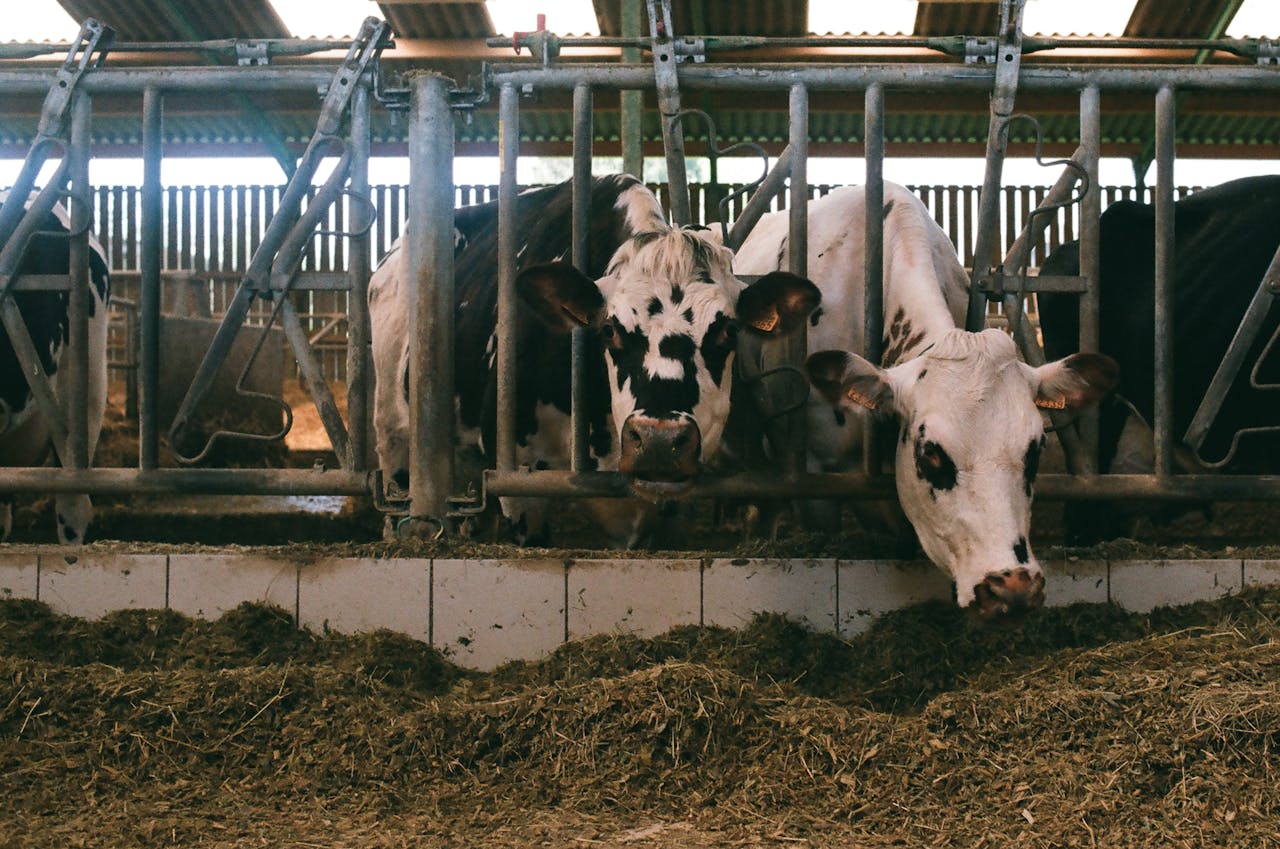
EU cattle feed production is forecast at 41.58m tonnes, marginally higher (+0.2%) compared to 2024. Among the major producing countries, Germany is expected to see an increase (+3%), while the Netherlands will see a decline (-5%), mainly due to regulatory policies.
Cattle feed production stable
The largest cattle feed producer Spain expects a decrease of 3%, while Denmark and Poland are forecast to see rises of +4.5% and +3.9% respectively. Most other Member States anticipate either stable or slightly reduced production levels, reflecting the overall downward trend in the sector due to environmental and climate policies and animal diseases, such as the recent outbreaks of the highly infection foot and mouth disease (FMD).
FEFAC said the overall picture showed a sector resilient in the face of continuing economic, geopolitical, regulatory, environmental and animal disease-related challenges.