The latest edition of All About Feed is now available online and highlights critical global feed industry challenges, including the EU’s persistent reliance on soy imports from Brazil and the US despite alternative efforts, major grain traders abandoning Brazil’s Soy Moratorium, US dependence on imported vitamins and amino acids, and Indonesia’s new single-gate soybean meal policy through a state enterprise. Also, regional updates cover Eastern Europe’s stabilising feed production amid ongoing issues, and Turkey’s sector squeezed by debt, drought, and geopolitics. This and more in this latest edition.
The EU remains dependent on soy imports
The European Union aims to reduce its dependence on imported soybeans and is increasingly focusing on alternatives. However, the European poultry sector currently remains heavily dependent on soy imports from Brazil and the United States.
Grain traders abandon Soy Moratorium
A group of 20 institutions abandoned the largest private agreement to preserve the Amazon on 5 January 2026. Among them are some of the world’s largest grain traders operating in Brazil, which are no longer part of the pact.
Data reveals US dependence on imported vitamins and amino acids
New data con¬firms an alarming need for the US feed sector to boost its independence in terms of imported vitamins and amino acids.
After the storm: The feed industry in Eastern Europe finds its footing
Following several turbulent years, feed production has stabilised and even slightly recovered in Eastern Europe, but the long-term outlook remains somewhat unclear as some long-standing challenges are here to stay.
Debt, drought and geopolitics squeeze Turkey’s feed sector
Turkey’s feed industry kept production largely stable in 2025, but rising debt, climate shocks and geopolitical risks are squeezing margins and threatening long-term sustainability.
Aflatoxin B1 in broilers: Intestinal damage and mitigation strategies
Aflatoxin B1 is one of the predominant mycotoxins that causes toxicity in broilers, with the intestine as the primary target organ. This report examines how Aflatoxin B1 damages intestinal structure and function in broilers and reviews technological advancements in detection and mitigation strategies.
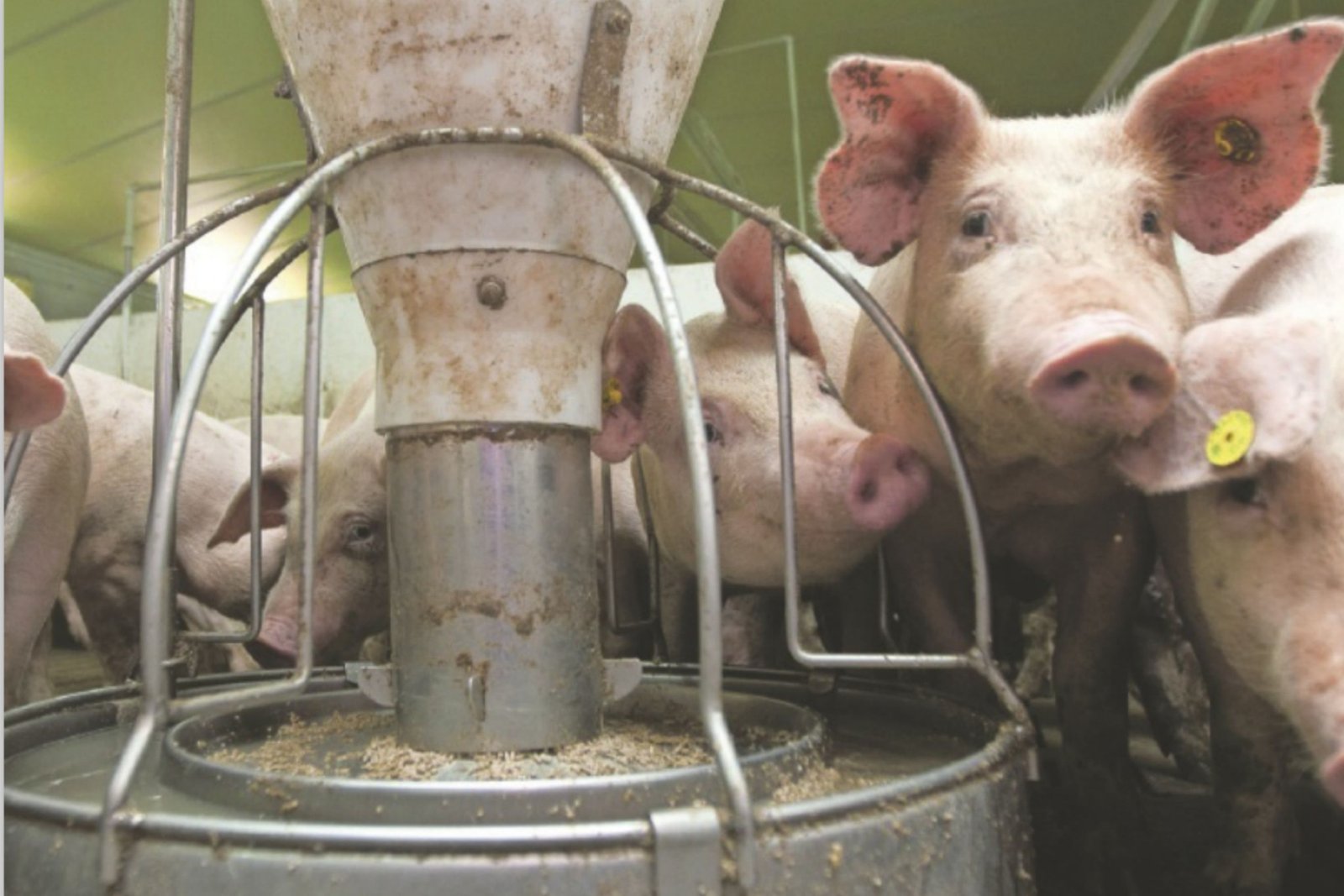
More homogeneous pigs with automatic feeding stations
The theory is promising: automatic feeding of finisher pigs brings many possibilities. French pig farmer Jean Michel Langlais is experiencing the benefits firsthand. His automatically fed pigs develop in a very homogeneous way and reach their target weight on time before delivery.
One-gate soybean meal policy puts Indonesia’s feed industry on edge
If feed is the lifeblood of livestock production, then soybean meal is its bloodstream. Beginning in early 2026, Indonesia’s government plans to channel that bloodstream through a single artery: the state-owned enterprise Berdikari.

Gauging the carbon footprint of feeding pigs in the USA
A new ambitious research initiative ought to give a boost to estimating the accuracy of the carbon footprints of raw feed ingredients in the United States. This would allow making more precise life-cycle assessments.
Chicken soluble hydrolysate: Potential fishmeal alternative
The declining availability and rising costs of fishmeal are driving the aquafeed industry to seek alternative high-quality protein sources. In a recent study, researchers evaluated chicken hydrolysates as potential substitutes for fishmeal in diets for Pacific white shrimp.
Antimicrobial use in animals slows as the risk of resistance persists
Global efforts to reduce antimicrobial use in livestock production are beginning to slow down, according to a recent report from the World Organisation for Animal Health (WOAH). In an interview, Dr Javier Yugueros-Marcos, head of WOAH’s Antimicrobial Resistance and Veterinary Products Department, said that without renewed reports from governments, industry, and veterinarians, momentum on antimicrobial resistance could wane.
Antibiotic use drops sharply in Canada’s chicken sector
Over the past decade, Canada’s chicken sector has significantly reduced its use of antibiotics, eliminating 2 key classes that are essential to human medicine. Ongoing efforts now aim to cut the remaining use while keeping birds healthy, offering lessons for poultry producers worldwide.