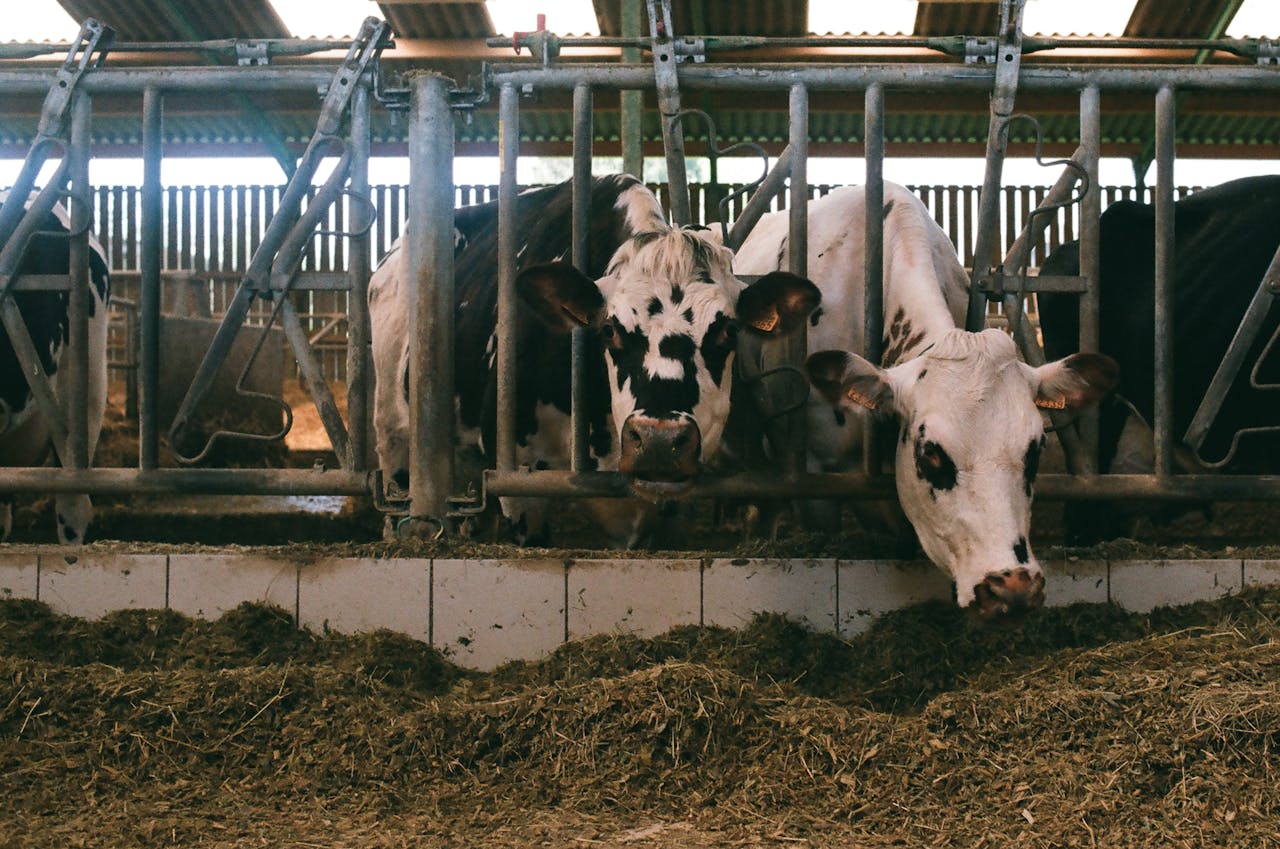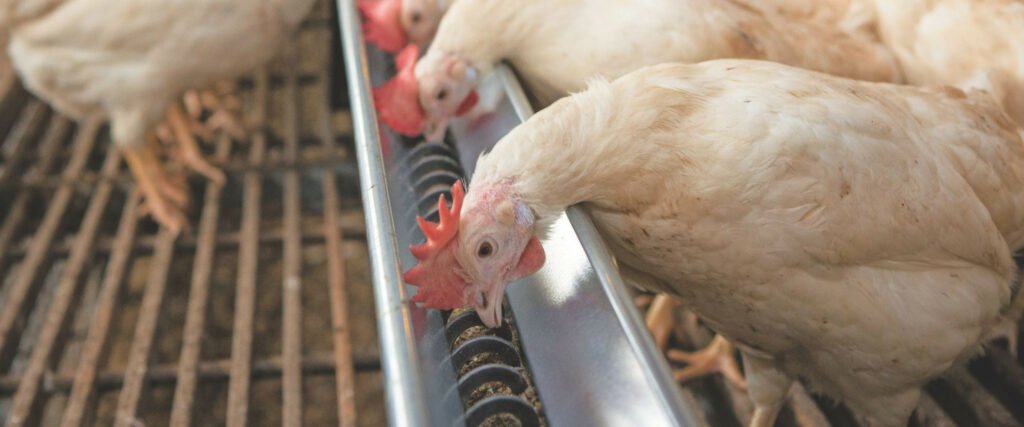
The latest edition of All About Feed is now available online. This edition explores how to optimise chicken gut function through tailored nutrition, breakthroughs in low-protein broiler feed supplemented with amino acids, and split feeding strategies for laying hens. In the dairy sector we consider cottonseed supplementation for increased milk fat, the impact of grass species on methane emissions, and feeding strategies under disease pressures. Plus, expert perspectives on holistic gut health approaches and evolving feed formulation challenges. This and more in this latest edition.
Nutrition’s role in chicken gut function
Understanding the intricate workings of a chicken’s gastrointestinal tract is crucial for optimising their health and productivity. This article delves into each major segment of the gastrointestinal tract, highlights the unique structural and functional characteristics of each section, and discusses how various nutritional programmes impact these features.
Advancing the development of low-protein broiler feed
Feeding chickens a low-protein diet has led to a notable reduction in the environmental impact of poultry farming. However, this diet negatively impacts muscle mass, consequently affecting meat production. In this study, researchers explore the effects of supplementing a low-protein diet with amino acids, the building blocks of proteins. Results reveal the mechanism through which amino acids supplementation offsets the negative effects of a low-protein diet in chickens.
Optimising hen diets with split feeding
Conventional feeding systems for laying hens generally provide a complete diet with unrestricted feed access. However, this approach often leads to excessive intake of certain nutrients. Split feeding addresses this by offering different feed types at specific times of the day, aligning the diet with the hen’s changing metabolic requirements. Researchers explored the benefits of split feeding on growth performance, egg production and quality, nutrient digestibility and reduction of gas emissions.
The bigger picture: The latest addition
Pictured here is are intrigued visitors who have made their way to Huvepharma’s brand new fermentation plant in Bulgaria.
Feeding cows cottonseed helps to increase milk fat
A new study from Penn State shows that adding 15% whole cottonseed to dairy cow feed can help to boost the production of milk fat.

How grass species and harvesting impact milk and methane
As the dairy industry continues to reduce its contribution to greenhouse gas emissions, the focus on nutritional strategies remains highly relevant. As grass silages are common in a dairy cow’s diet, researchers from Norway investigated how different grass species and harvesting frequency impact milk and methane production. Their findings offer a simple, practical tool to reduce methane production while maintaining milk yields.
Livestock diseases put pressure on the French feed industry
Disease outbreaks are putting pressure on France’s animal feed sector. Despite modest growth, industry group SNIA warns that avian flu, bluetongue and rising soy prices are limiting the recovery and could threaten future production.
Interview: A holistic approach to gut health in livestock
A healthy gut is the foundation of animal health and performance, according to Dr Aldo Rossi, director of Veterinary Services at Amlan International. Here, he discusses the road to a healthy gut in livestock with a holistic approach – from improving feed safety and combating pathogens to effectively tackling mycotoxin contamination.
Feeding cows under various disease conditions
Several feeding management strategies can be used as a supportive treatment for various health problems. This article provides some insights into the most common diseases and metabolic disorders in cattle, and feeding strategies that can be adopted to reduce the impact on animals and farm operations and profitability.

Impact of diet on rumen development in calves
Proper nutritional strategies during the postnatal and weaning period can drastically affect rumen and rumen microbiota development. Here we look at nutritional strategies and their role in rumen function and development in calves.
Column: Acid binding capacity or calcium solubility?
Formulating feeds of the future is easier said than done. Now zinc oxide is banned from use at pharmacological levels in piglet feeds in the EU, nutritionists continue to look closely into feed ingredients and components. Animal nutrition expert Dr Francesc Molist encountered interesting outcomes during a study involving phytase, calcium and phosphorus levels.