France’s animal feed sector continues its recovery, with production rising 0.9% in 2024/25 and further growth forecast for 2025/26, according to SNIA. However, persistent livestock diseases and market uncertainties are threatening the industry’s full potential.
In the business year 2024/25, production increased by 0.9% to some 19.5 tonnes while for 2025/26 a further growth to 20 million tonnes is predicted. However, that recovery is weakened by the wave of livestock diseases that have hit France over the last few years, SNIA fears. “Realising that further growth depends on the further development of the sanitary situation but also on the way local producers can resist imports and on the capacity to renew livestock buildings.”
Avian influenza outbreaks
France has had some large epidemics of avian influenza from 2022, leading to the culling of millions of ducks and chicken. Recently, the country reported some new outbreaks be it still a limited number compared to neighbouring Germany.
Ruminant disease surge
As for cattle and sheep, the department of agricultural registered over 6,500 cases of Bluetongue 3 since June 1st, 2025. At the end of 2024, the first cases of the cattle disease EHD were discovered. In July this year, Lumpy Skin Disease LSD also entered the country for the first time, with the number of cases rising to 101 at the middle of November.
So far, those developments haven´t influenced the feed market significantly, although it limited the growth potential in some parts.
Poultry feed sales recovery
In 2024/25, sales of poultry feed increased by 1.2% to 8.1 million tonnes, thanks to the further recovery of production but also to the success of chicken and eggs with the consumers, SNIA says. Growth was particularly strong in feed for ducks, either for the production of foie gras or for the rotisserie.
Cattle and pig feed trends
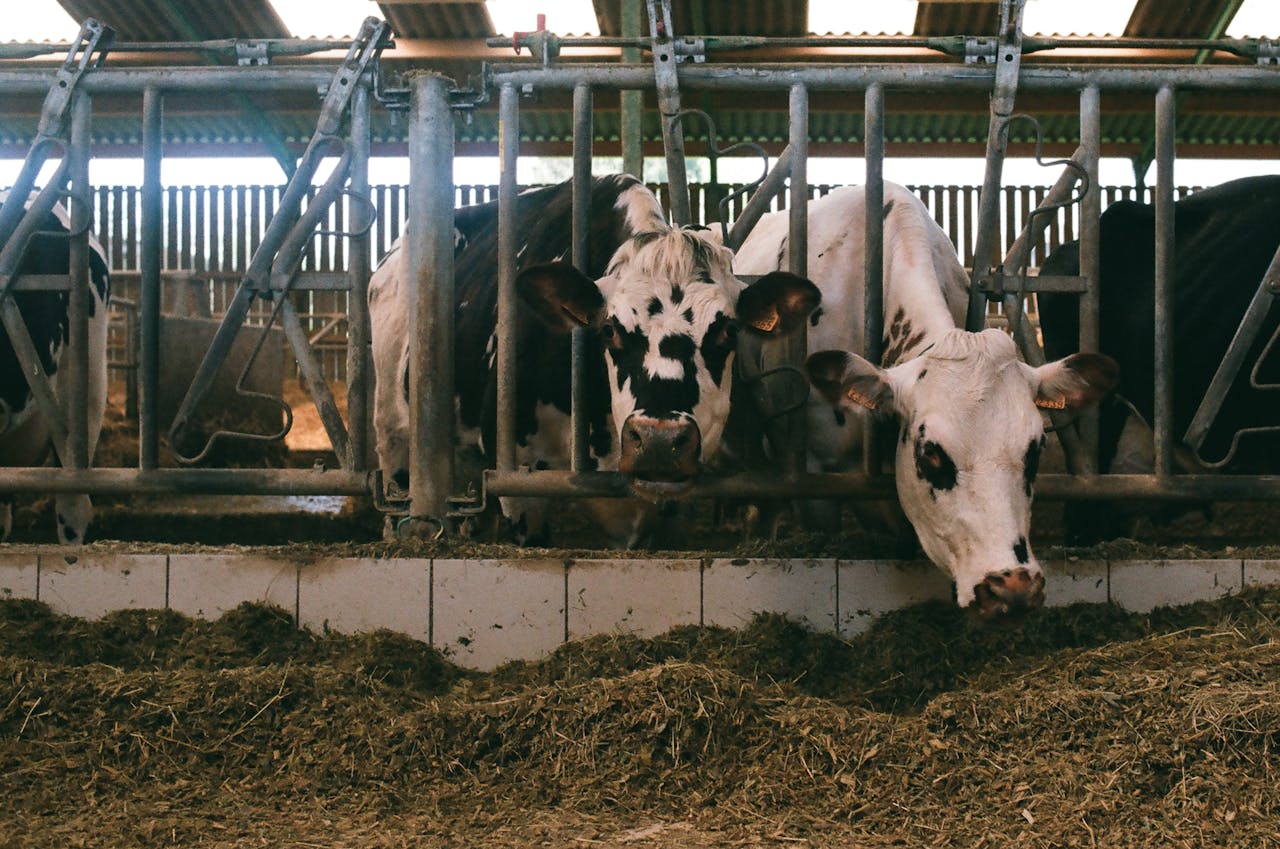
Production of cattle feed increased by 1.8% to over 5.5 million tonnes, 3.9 million tonnes of which went to dairy farms.
Compound feed for pigs saw production decline by only 0.42% to over 4.2 million tonnes, a stabilisation after a number of years with steep declines in conjunction with the further shrinking of the French pig sector.
Feed production for other species
SNIA further reports a production of 760,000 tonnes of feed for sheep and goats, 1.73% more y-o-y, and of 185,000 tonnes for rabbits, 6.9% less than in the previous period due to the constant decline of this specific sector.
Soya price increases concern industry
As for recent developments, SNIA worries about the sharp increase of the price of soya. Soyabean meal represents 14% of the raw materials used for conventional compound feed and 23% for organic feed. That share is up this year because of the competitiveness of soya compared to other protein rich raw materials. “However, companies observe a significant rise of the soya prices since October 2025 and worry about the supply in 2026 because of the uncertainties around the implementation of the European deforestation rules as well as the instability on the international markets due to the trade negotiations,” SNIA notes, echoing earlier warnings from Fefac.