Animal feed production in Brazil is projected to reach 97.3 million tonnes in 2026, up 3.3% from the previous year, according to estimates by Sindirações (National Union of the Animal Feed Industry).
The result marks a second consecutive year of growth, with output reaching around 94.2 million tonnes in 2025, an increase of more than 3% from 2024. Since 2021, cumulative growth has reached 16.6%, from 83.4 million to 97.3 million tonnes, if projections are confirmed.
Expansion and modernisation drivers
“The expansion of agricultural production is driving the entry of new companies into the marketing of traditional sector products, as well as the diversification of the export mix,” says Ariovaldo Zani, CEO of Sindirações.
According to the sector, performance reflects the recovery of livestock and aquaculture activities following a period of greater volatility, particularly linked to grain costs and the macroeconomic environment.
“The combination of expanded market access, institutional strengthening and incentives for productive modernisation is expected to boost the competitiveness of the animal protein sector over the next decade.”
Broilers drive feed demand
In broiler production, the main destination for feed produced in the country, consumption is projected to reach 39.1 million tonnes in 2026, up from 37.85 million tonnes last year. The increase follows higher slaughter volumes and strong export performance, keeping the segment as the main driver of the animal nutrition industry.
Laying hens show growth
In the laying hen segment, feed consumption is expected to reach 7.73 million tonnes in 2026, compared to 7.43 million tonnes the previous year. Growth continues to be supported by expanding egg production and rising domestic consumption, reinforcing the sector’s positive momentum.
Pig sector recovery continues
The pig sector also maintains a positive trajectory, with feed demand estimated at 23.1 million tonnes in 2026, up from 22.5 million tonnes in 2025. The gradual recovery of the sector, after more challenging cycles, has been accompanied by increased slaughter and margin recovery, albeit at a moderate pace.
Brazil’s animal feed industry continues its strong upward trajectory, fuelled by agricultural expansion and sector innovation.
Beef cattle intensification trends
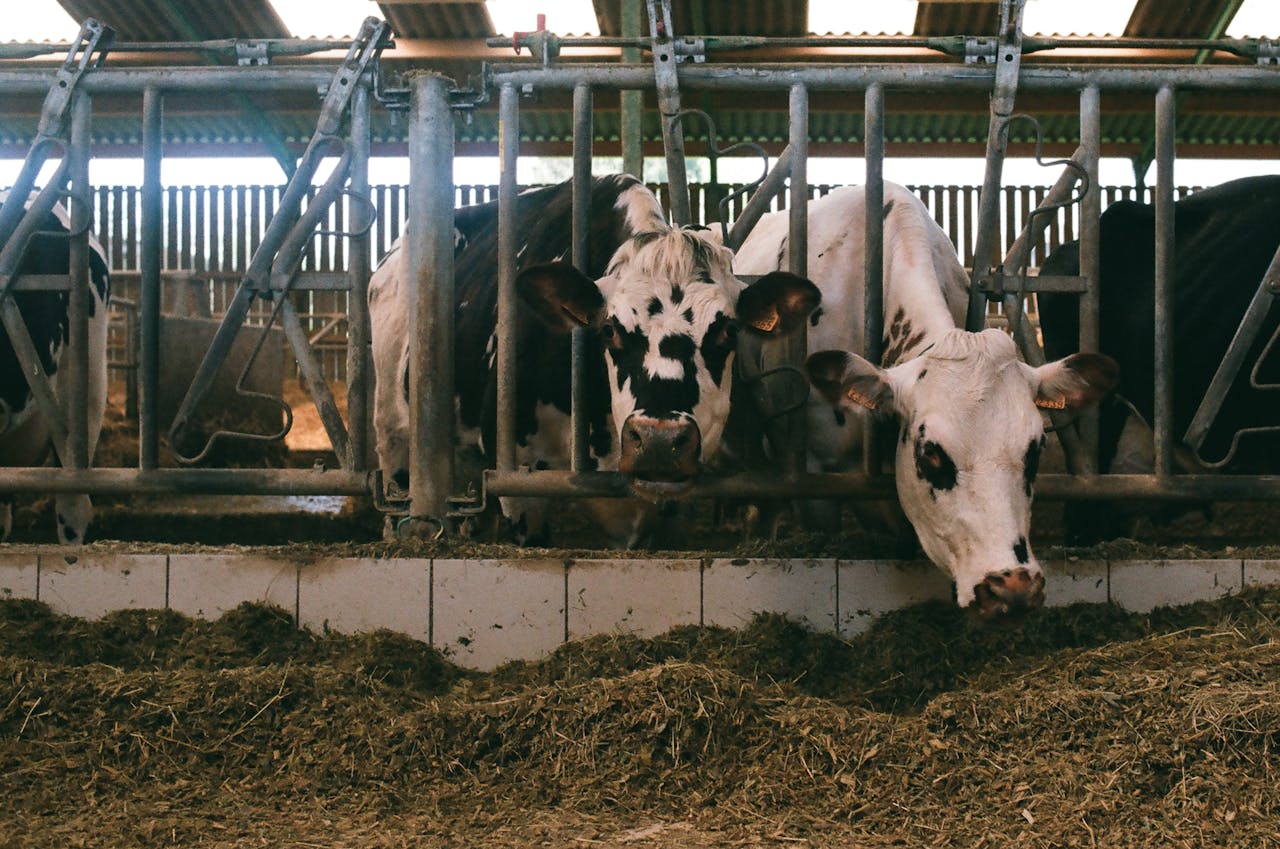
In beef cattle, growth is among the most significant in the sector. Feed production is expected to reach 8.23 million tonnes in 2026, compared to 7.76 million tonnes the previous year. It reflects the intensification of production systems, with greater use of feedlots and technology to improve efficiency.
“The expansion of feedlots is one of the most relevant structural drivers of growth in the animal feed industry. As Brazilian livestock production intensifies, nutrition is playing an increasingly strategic role in delivering productivity and efficiency gains,” Zani highlights.
Dairy cattle feed increases
In dairy cattle, feed demand is expected to reach 7.9 million tonnes in 2026, up from 7.66 million tonnes in 2025. The increase follows the recovery of milk collection and indicates greater dynamism in the sector, although it remains under pressure from costs and domestic market competition.
Aquafeed demand expands
Aquaculture continues to expand, with feed demand forecast to reach nearly 2 million tonnes in 2026, driven by the growth of fish farming — particularly tilapia — and the consolidation of shrimp farming as a relevant activity in some regions of the country.
Growing pet food segment
Finally, the pet food market is expected to reach 4.15 million tonnes in 2026, up from 4.04 million tonnes in 2025.
“Although growth has moderated, the segment continues to expand, driven by increasing consumer demand for higher-quality products and the development of specialised distribution channels,” says Zani.