As extreme weather challenges UK forage production, farmers are exploring sorghum as a resilient alternative to maize and grass. A new multi-site field lab tested sorghum’s real-world viability during a cold, wet spring of 2024. The results highlight both the crop’s promise and its limitations in the UK’s variable climate.
As climate pressure intensifies and livestock producers search for resilient, lower‑input forage options, sorghum is attracting growing interest across the UK.
Long valued in the United States and mainland Europe for its drought tolerance, deep rooting and efficient water use, sorghum is often promoted as a hardy, lower‑risk alternative to maize, particularly for organic or regenerative systems. But how does it perform in a cool, variable maritime climate?
Farmer-led field lab launches
A new farmer‑led field lab, coordinated across 5 UK farms by Innovative Farmers, during the challenging 2024 season, set out to answer that question. Rather than controlled plot trials, this project placed sorghum directly into commercial fields, testing its performance, practicality and resilience under real‑world, mixed‑weather conditions. The findings offer both caution and optimism for growers interested in trialling this crop.
Weather: The deciding factor
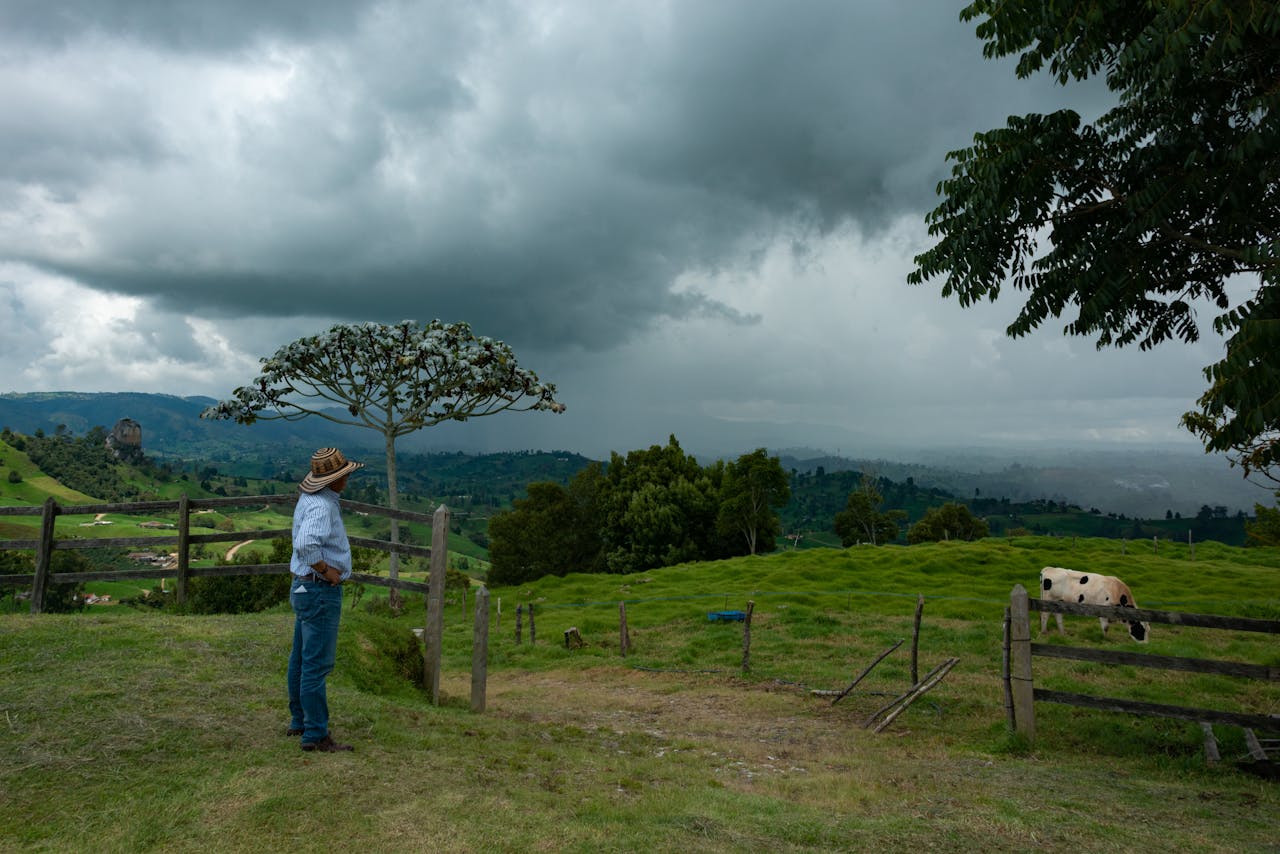
Across all participating farms, from Scotland and Lancashire to Cornwall and Herefordshire, the dominant factor influencing sorghum performance was the weather. Spring 2024 was notably cold and wet, delaying drilling and suppressing soil temperatures well below the threshold sorghum requires for vigorous early growth.
Sensitivity to soil temperatures
This sensitivity to soil warmth proved to be the crop’s biggest limitation. Where sorghum was drilled into cold soils, emergence was slow and uneven. Early vigour was limited, and the crop’s ability to compete against faster‑establishing species, particularly grass and clover in under‑sown systems, was extremely poor. Several farms saw companion crops completely overtake the sorghum before it had a chance to establish.
Struggles despite good management
Even in fields with excellent drainage, soil structure and fertility, sorghum simply could not overcome the cool, saturated start to the season. These conditions highlight a fundamental challenge: sorghum may be drought‑tolerant, but it is far less tolerant of cold, wet springs that UK growers may be used to with grass or even maize.
Later growth shows promise
Not all results were negative. In Cornwall and later in the season in Herefordshire, where soil temperatures rose and moisture levels became more favourable, sorghum began growing with much more purpose. Once established, it put on biomass quickly and showed the resilience for which it is known internationally.
Reduced growing windows
However, the late start reduced the overall growing window, meaning most crops did not reach harvestable maturity in time for whole‑crop silage. One grower noted that although the crop looked increasingly promising by late season, maturity would have come too late for practical forage use.
Competition from companion crops
One of the clearest lessons from the field lab was the impact of competition pressure. In organic systems, where under‑sowing is standard practice to protect soils and reduce weed burden, grass and clover mixes often outpaced sorghum by several weeks. The result was predictable; sorghum was suppressed or smothered before it could develop a robust root system.
Management strategies needed
This has important implications for management. Sorghum may need to be established as a sole crop in the UK, with under‑sowing delayed until the crop has achieved canopy cover. This differs from common practice for other forage crops and may require rethinking system design, particularly in organic rotations.
Potential with right conditions
The field lab shows that sorghum has potential in the UK, but that potential is highly dependent on the year, region and establishment window. In warm springs with rising soil temperatures, sorghum may offer value as a drought‑resilient, soil‑building forage. But in cold or wet springs, it is a high‑risk option with a significant chance of establishment failure.
Grass and clover remain reliable
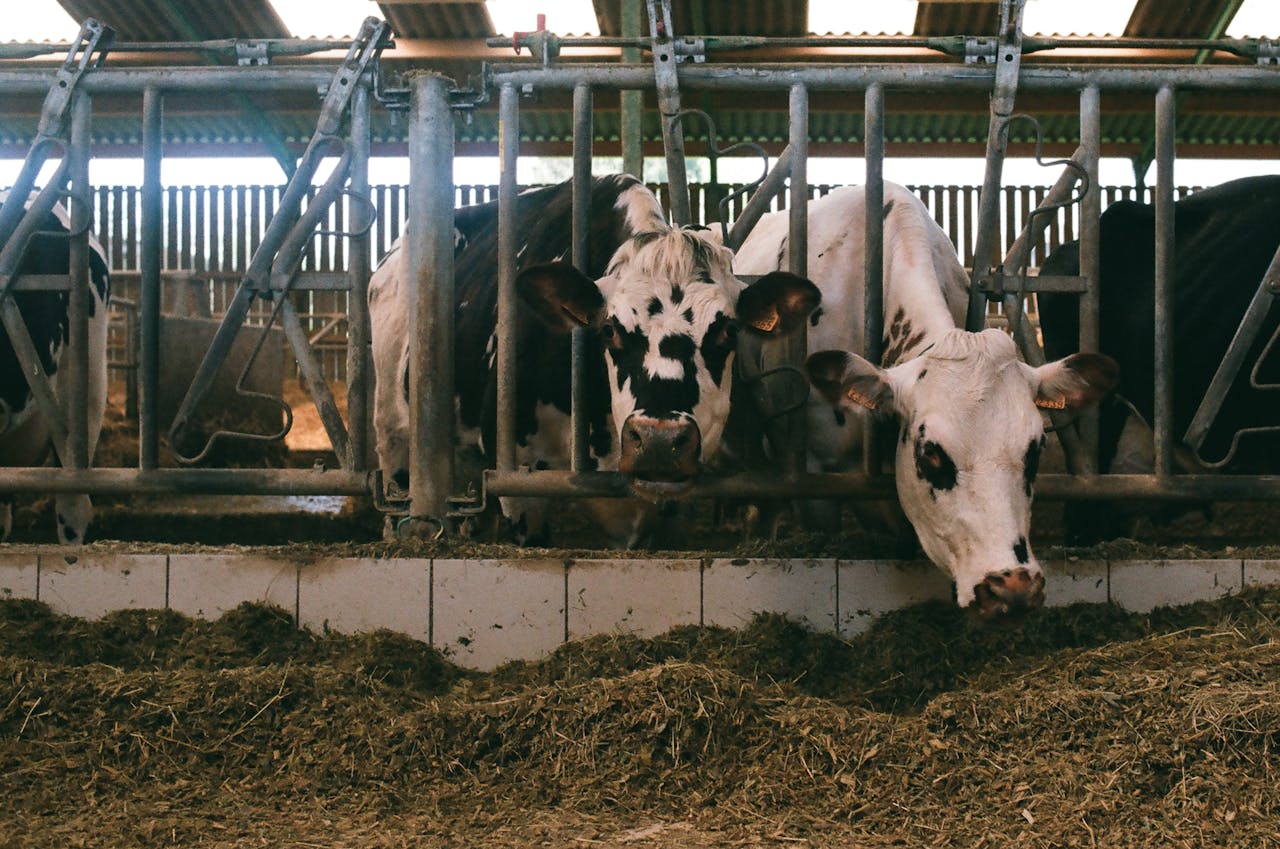
By contrast, grass and clover delivered consistent, reliable forage across all participating farms, reinforcing their ongoing importance in UK systems.
Practical recommendations
- Trial small areas first.
- Drill only into warm, trafficable soils.
- Limit early competition, especially from companion crops.
- Select warmer, free‑draining fields.
- Plan for contingencies, such as reverting to grazing.
The value of farmer‑led research
Although the season limited quantitative data collection, the qualitative insights from this field lab were rich and consistent. The project demonstrated the importance of multi‑site, multi‑year farmer trials for evaluating novel crops. Understanding not just where sorghum succeeds but why it fails is essential for shaping realistic expectations and guiding future research.
With climate variability increasing in the UK, sorghum may yet play a role in future forage strategies, but only with careful management, the right seasonal conditions, and a willingness to experiment.