Brazil’s animal feed production is projected to reach 89.9 million tonnes in 2025, marking a 2.8% increase over 2024, according to figures released in early December by the National Union of the Animal Feed Industry (Sindirações).
The estimate for 2025 reflects only the performance of the feed segment, as the figures for mineral supplements have not yet been consolidated. The sector’s total volume is the sum of feed plus mineral supplements.
Photo: Sindirações
Brazil holds a strategic position in the global debate on sustainability, climate, and food security,” – Ariovaldo Zani, CEO of Sindirações.
Animal nutrition output fises 2%
From January to September, the industry produced 66.5 million tonnes of animal nutrition products, according to preliminary data from the union. The volume already represents 2% year-on-year growth.
“The animal nutrition industry remains resilient even in the face of global uncertainties,” he analysed.
Broiler feed demand remains stable
According to the union, the broiler sector consumed 28 million tonnes of feed up to September, remaining stable despite the trade restrictions triggered by the avian influenza case detected on a commercial farm in May and closed in June.
Importers such as China and the European Union halted purchases of Brazilian poultry meat for months and resumed trade only recently.
For 2025 as a whole, the segment is expected to reach 45.3 million tonnes of feed, representing a 2.6% increase. Most of this volume goes to broilers, which should account for 37.9 million tonnes.
Photo: Agência do Estado do Paraná
Pig feed consumption sees growth
Pig production is the second-largest consumer of animal feed. Sindirações expects the segment to produce 22 million tonnes this year, up 2%.
Between January and September, pigs consumed 16.4 million tonnes of feed.
Beef feed demand rising steadily
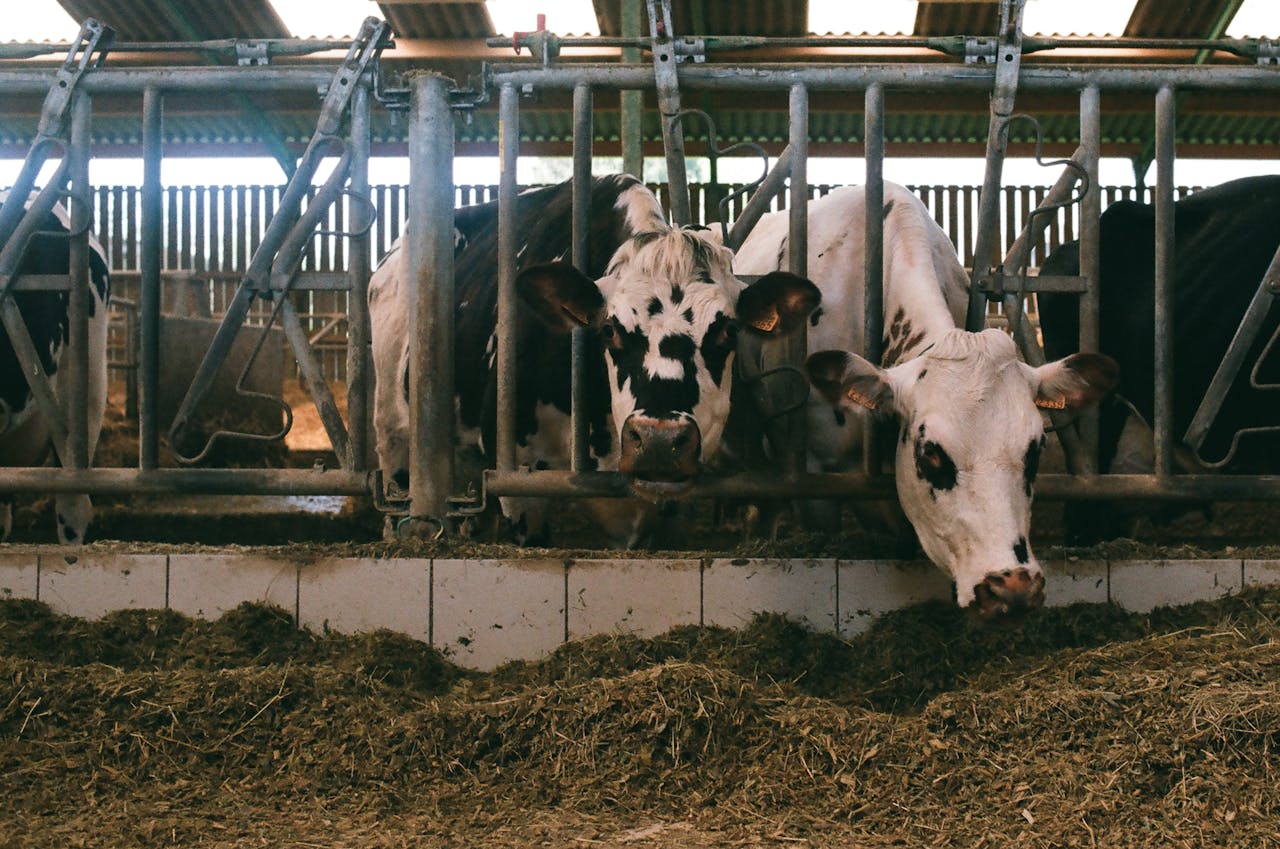
The cattle segment is expected to produce 15 million tonnes more this year, a rise of 4.9%. The main increase comes from beef production, with 7.73 million tonnes and a potential growth of 7% compared with 2024.
The organisation highlighted that the cattle sector consumed 5.3 million tonnes of feed up to September.
Lower costs of concentrated ingredients, more affordable cattle replacement prices, and stable carcass prices helped improve margins, especially during the year’s second finishing cycle.
In beef production, feed is increasingly used for intensive finishing, particularly in feedlot systems. Nonetheless, pasture feeding is still the larger part of this market.
GRAIN FUTURES – All About Feed offers readers access to the futures market with a clear overview of the latest developments for wheat, corn and soy beans. Stay up-to-date…
Structural shift in livestock sector
Brazil’s livestock sector is undergoing a structural shift towards greater efficiency and market stability, driven in large part by modern confined feeding systems.
Intensive finishing gains importance
As production becomes more technical and margins more sensitive to input volatility, intensive finishing has taken on a central role in smoothing supply cycles and improving national competitiveness.
The long-term competitiveness of Brazilian agriculture will depend on how effectively it integrates these pillars into everyday practice.”
Feedlots regulate beef supply
In this context, “Brazilian feedlots are consolidating themselves as a key mechanism to regulate supply, boost productivity and provide predictability to the beef market,” Zani said.
Strengthening the protein chain
The trend reflects a broader movement in which nutrition, genetics, and management converge to support a more resilient protein chain.
Aligning productivity with sustainability
That same logic of resilience also underpins Brazil’s climate and sustainability agenda, where the country is pressed to align productivity with environmental responsibility.
Integration key to competitiveness
As Zani emphasises, “the interplay between mitigation and adaptation is emerging as the structural axis of the agro-environmental transition.” The long-term competitiveness of Brazilian agriculture will depend on how effectively it integrates these pillars into everyday practice. With this alignment, he argues, “guided by science, innovation and well-designed adaptation strategies, the country can reaffirm its role as a leading actor in the bioeconomy and global food security.”